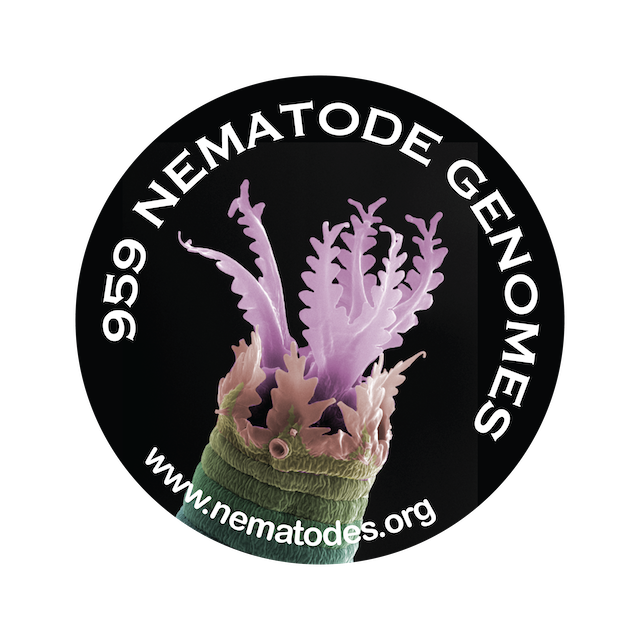
The 959 Nematode genomes project is being relaunched!
The goal of the 959 Nematode Genome project
This inclusive nematologist community project aims to sequence the genomes of 959+ nematode species to understand their biology and evolution. The target of 959 species was inspired by the number of somatic cells in the adult Caenorhabditis elegans worm - the first multi-cellular animal to be genome-sequenced - which has accelerated research in development, neurobiology, disease and genomics. Although approximately 28,000 species have been described of the estimated one million species yet to be discovered, only 305 nematode genomes have been sequenced to date.
Our aim is to expand genomic resources across the taxonomic breadth of the phylum to advance understanding of genome dynamics and size variation (20 Mb to >1 Gb), as well as the origins, mechanisms, and evolution of key biological processes such as Programmed DNA Elimination (PDE), sex determination, ecological and developmental diversity, cobionts, genome duplication and ploidy variation. This project will also support research into major lifestyle transitions including parasitism and terrestrialisation, including shifts in habitat or hosts, reproductive mode, trophic ecology and symbiotic associations.
This can only be achieved with your help!
Advances in high-throughput long-read sequencing technologies have made this goal more achievable and affordable than when the original call went out in 2012 and as a community we hope we can reach this target together.
If you’d like to get involved, please reach out to us.
Why nematodes?
Nematodes (or roundworms) are everywhere. They form one of the 37 phyla of animals – the Nematoda – and have a unique, and successful body plan. They are found in huge numbers in sediments and soils, and are common parasites of animals and plants. They range in size from 0.2 mm to 6 m, with most species being about 1 mm. While over 28,000 species have been described, estimates of the true species richness of Nematoda suggest there may be a million or more, most undescribed. Nematodes have significant impacts on human health (about one-third of the human population is likely to be infected by gut and tissue nematodes), on agricultural production (as parasites that devastate crops and make farm animals sick) and on the functioning of ecosystems (free-living nematodes are important bacteriovores, algivores and fungivores in terrestrial soil and marine benthic environments).
Why genomes?
One nematode, the free-living Caenorhabditis elegans, was chosen as a biological model species in the 1960’s and its genome was the first animal genome to be sequenced in 1998. Genome sequences are essential tools for a wide range of approaches to understanding nematodes and their roles in ecology and disease. Using the genome we can unravel the evolutionary history of the phylum, identify genes and genetic systems involved in nematodes’ success as free-living species and disease-causing organisms, develop treatments for disease, and discover new genetic and genomic mechanisms that may have wider importance.
Why 959 nematode genomes?
The 959 nematode genomes project (9595NG) is an open collaboration that exists to promote the sequencing of all nematode species. By sharing ideas, methods and discoveries, we hope the 959NG community will generate high-quality genome sequences for all of our target species. The number 959 is a placeholder for “a lot”. While most similar projects aim for a round “1,000”, we use an important nematological number for our headline aim: every adult female Caenorhabditis elegans nematode has exactly 959 somatic cells. These cells form the nervous system, skin, muscles and gut of the nematode, parts contributing to the whole. In an analogous way we hope that the 959NG project will contribute to a holistic understanding of nematode diversity and function. 959NG aims to foster collaboration and success through open sharing of plans and data. 959NG was first launched over a decade ago in the emerging era of high-volume, short-read sequencing (see https://doi.org/10.4161/worm.19046). Now we have access to long-read and long-range sequencing, and protocols that allow genome sequencing from single nematode individuals, the pace of generation of nematode genomes is accelerating, and global coordination is more important than ever.
What will you find here?
This website offers information about the success of the 959NG project, listing species that have been sequenced, and providing an overview of species that members of the project would like to sequence (or are in the process of sequencing). It includes links to key protocols and analysis tools, and the foundational publications of each nematode genome. You can also use our Participate form to join the 959 project, submit samples for sequencing, suggest species to prioritise, or indicate which species you are working on to avoid duplication.